

Sheepshead Fishing in Northeast Florida: The Local Guide
It's November in Northeast Florida. The water is cooling off and the fish are stacking up on every barnacle-covered piling between Fernandina Beach and St. Augustine. Striped, buck-toothed bait thieves are back on the menu.
Sheepshead season is here.
If you've never targeted them, welcome. This guide covers when they show up, where to find them around Jacksonville and the First Coast, and how to feel a bite that barely exists. We'll also explain why we built the Shorty, our 5'5" sheepshead rod, and why a short rod is the right tool for this fishery.
What Is a Sheepshead?
The sheepshead (Archosargus probatocephalus) is a black-and-white striped fish in the porgy family. Locals call them convict fish for this reason.
The weird part with fishing them is the mouth. Sheepshead have flat incisors (Buck-Teeth) up front and molars in the back, and the whole setup looks uncomfortably human. They use those teeth to crush barnacles and oysters off pilings and rocks, plus the occasional crab.
That diet explains everything about how you catch them. Sheepshead live on hard structure, they eat with surgical precision, and they will strip a hook clean while you stare at your rod tip. Casting distance doesn't matter here. Feel does.
When to Fish for Sheepshead in Northeast Florida
You can find sheepshead here all year, but the real action runs from late fall through early spring. Cooler water pulls them onto nearshore structure and they bunch up. By January through March, many fish are staging to spawn, which is when the biggest schools and the biggest fish show up around the jetties.
- November and December: The season ramps up and fish start stacking on structure.
- January through March: Prime time. Cold fronts and winter wind will make some days uncomfortable though.
- April: The tail end of the run. Fish are still around, but the best bite is winding down.
One more thing. A moving tide beats slack water almost every time, so plan your trip around the tide change at the structure you're fishing.
Where to Catch Sheepshead Around Jacksonville, St. Augustine, and Fernandina Beach
Look for barnacles, not fish. If it's hard, crusty, and sitting in moving water, a sheepshead has probably thought about eating off it. Here are a few places locals check:
- The Mayport jetties. The mile-long granite jetties at the mouth of the St. Johns River are a winter sheepshead staple. When the northeast wind is up, tucking in on the river side keeps you fishing. Wet jetty rock is slick and sharp, so be careful out there.
- St. Johns River bridges and pilings. Hard shell bottom and current-swept pilings, like the area under the Dames Point Bridge, have been productive for a long time.
- Intracoastal Waterway docks and bridges. From Fernandina Beach down through Jacksonville Beach, Ponte Vedra, and Vilano to St. Augustine, the ICW is lined with barnacle-crusted structure. Public bridges and fishing piers as well as private docks from boat or kayak are all fair game.
- The St. Marys inlet jetties. Way up at the top of the state, these rocks have a long history of winter sheepshead.
- Local fishing piers. The Jacksonville Beach Pier and other area piers can fish well in winter, especially right around the pilings. Milage may vary though
What to Throw: Sheepshead Bait and Rigs
Sheepshead bait is simple. You want something that looks like what they already eat.
- Fiddler crabs. The gold standard around here. Grab them at your local bait shop or off the marsh bank.
- Barnacles. Scraped from pilings. Some days works just as well as fiddlers, and they're easier to find. works well as chum too
- Sand fleas. Another solid option when fiddlers are off the menu.
The rig is just as simple:
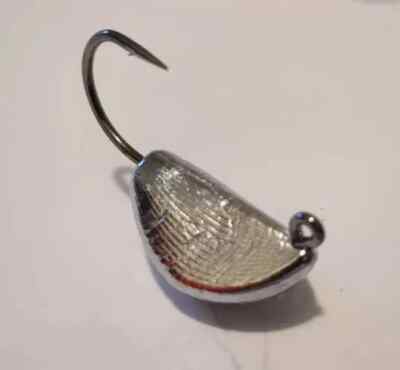
- Hook: Small and strong. A size 1 (not 1/0) is a good starting point. I like the Owner Mosquito hooks some anglers opt for Jig heads but the simple hook and splitshot rig is more versatile and much cheaper.
- Leader: 15 to 20 lb fluorocarbon. Pilings and teeth are hard on line and flouro abrades much less than mono or braid.
- Weight: Just enough to get the bait down. A split shot or small egg sinker works, and you'll go heavier in strong current.
- Main line: Braid, you have to be able to feel the bite. THIS IS NOT OPTIONAL

How to fish it:
- Cast Up-current, 5-10 feet out from the structure. (Long casts are not needed here)
- Let it reach the zone where the fish are feeding, then keep light tension on the line.
- once you feel your weight hit bottom very gently pull the slack from the line.
- Watch your line and rod tip. A bite feels like a tick, then an almost instant grab. (its very easy to mistake your weight hitting bottom for a bite)
- Set the hook with a quick, firm lift the moment you feel the grab. about 40% off the time you'll miss the set and loose your bait. Such is sheepshead fishing though.
- Once you hook the fish immediately Turn the fish away from structure. they are smart an often run for cover to tangle you.
BONUS TIP: If the fish runs you into a hole, patiently waiting while keeping moderate tension on the line can often allow time for the fish to swim out of the structure and continue the fight.
What Makes a Good Sheepshead Rod?
A lot of anglers fish sheepshead with whatever inshore rod is in the truck. It works, kind of. But this is one of the few fisheries where rod design really matters. Here's what to look for.
- Short length. Fishing vertically along pilings and docks rewards a short rod. A 7-footer snags on everything. A short rod drops right where you point it.
- Fast action. You need to feel the tick and get a hook in before the fish clears the bait.
- Real backbone. A hooked sheepshead dives for structure. You need the power to turn it or you're donating tackle to the barnacles.
- Durable guides and grip. Pilings and jetty rock are hard on gear, and rods spend half the day getting tossed in and out of rod holders.
Meet the Dragonfly Shorty

The Shorty is a 5'5" medium-heavy fast rod built specifically for sheepshead. we designed it to fish these same docks and jetties, it's handcrafted in Jacksonville.
Here's what we put into it:
- 5'5" length for vertical drops and tight quarters.
- Medium-heavy power with fast action for a blank that's sensitive on the bite and stiff in the fight.
- A mix of double foot and single foot guides for durability and setting power where it counts.
- A full grip handle for maximum grip and the kind of durability you need when a rod gets thrown in and out of rod holders all day.
Short also means easy to handle. The Shorty is a great fit for kayaks and just as good for a kid learning the sheepshead game. That's why we shortened the name from Sheepshead Shorty to Shorty.
At the time of writing The Shorty is $149.99 here at dragonflytackle.com. We build in small batches, so it can sell out. If it does, check back soon or ask your local dealer.
Want to put your hands on one first? Ask for Dragonfly at one of our Northeast Florida area dealers:
- Strike-Zone, Jacksonville
- Avid Angler, St. Augustine
- B&M Bait & Tackle, Jacksonville
- Arlington Bait and Tackle, Jacksonville
- Resellers Reef, Orange Park
- Lowcountry Line and Lure, St. Marys, GA
Florida Sheepshead Regulations
Here are the current Florida rules for recreational sheepshead harvest:
- Minimum size: 12 inches total length
- Daily bag limit: 8 per person
- Vessel limit: 50 per trip during March and April
These state rules extend into federal waters. Regulations can change, so check MyFWC.com before you go. You also need the right Florida saltwater fishing license unless you qualify for an exemption.
Get Out There
Sheepshead season in Northeast Florida is short on forgiveness and long on payoff. Grab some fiddlers, find some barnacles, and go. When you land a good one, tag us @dragonflytackleco and use #dragonflyshorty.